Deliver drawn explainer videos for every client without an animator on payroll.
Agencies sell explainer videos and then pay for them twice: once to the animator and once for every round of feedback. Drawn video with Doodaro changes the second part. The client signs off on a storyboard, each scene is drawn in the look you saved for them, and feedback becomes a scene edit instead of a re-quote.
You keep the parts of the job that are yours, the script, the offer, the pacing, and hand the drawing to the engine. When the campaign needs a vertical cut, it is the same storyboard exported in 9:16.
2 free minutes · No card needed
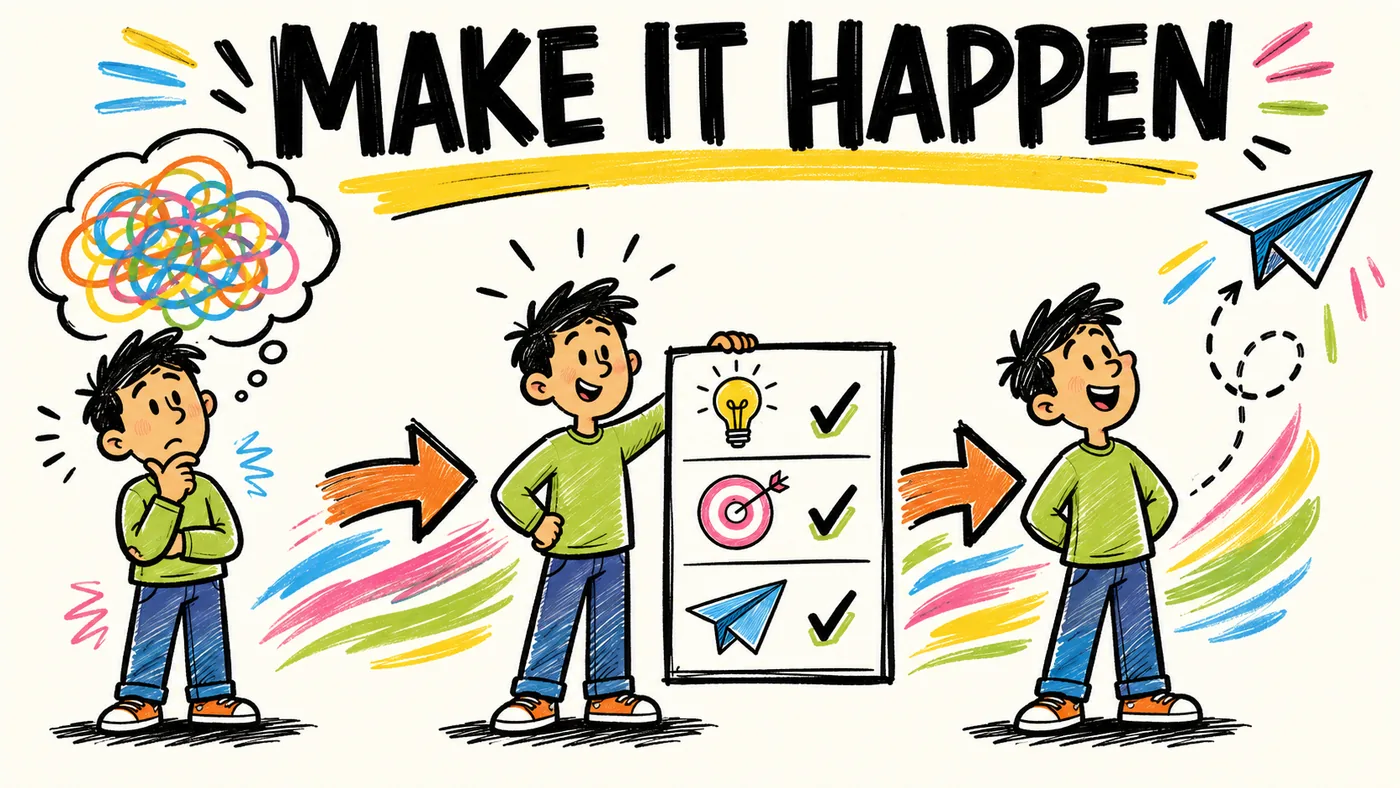
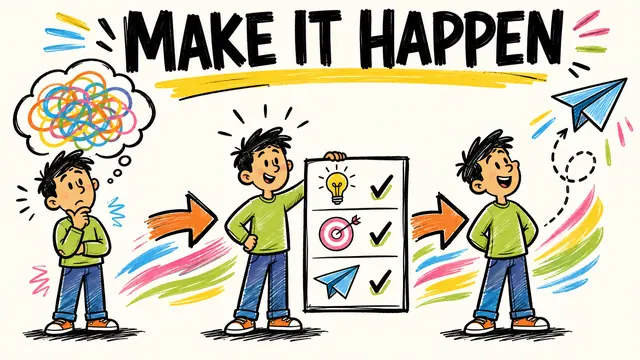
A drawn explainer stands out in a feed full of stock footage, and it can be revised scene by scene when the client changes their mind.
How it works
- 1
Paste the script
Paste the approved script or brief. Press Build scenes and Doodaro turns it into a storyboard with narration and a picture description per scene, which you can share with the client before anything is drawn.
- 2
Match the client's look
Pick one of 37 styles, or save a template per client from their reference images and a few style instructions. Choose a narrator from the voice library and preview it reading their tagline.
- 3
Take feedback, fix scenes, export
Client wants scene 5 changed? Edit scene 5, regenerate it, render again. Export the MP4 in 16:9 for the site, 9:16 for stories and 1:1 for the feed.
Styles that fit
Control, one scene at a time
One scene at a time
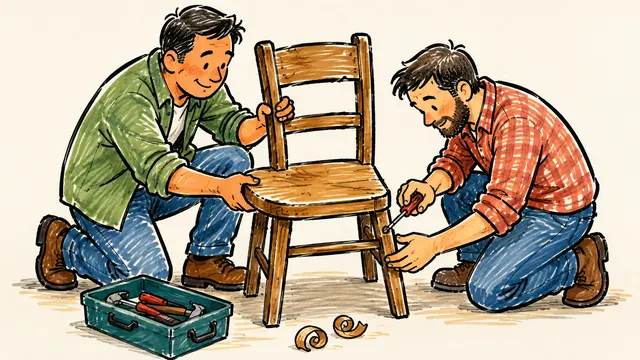
Feedback rounds become scene edits. Redraw the product shot, revoice the CTA, and leave the scenes the client already signed off on alone.
A template per client
Save each client's look under My templates with their reference images and style notes. Every video for that client is drawn in it, so the account stays consistent across a campaign.
Three formats from one storyboard
The same scenes render in landscape, portrait and square. Set the format per export and deliver the whole set.
Before and after
- Every whiteboard video uses the same stock hand and the same stock business-people library, and clients notice.
- A freelance animator quotes two weeks and a rate per revision, so the third round of feedback eats the margin.
- Vertical and square versions are separate jobs with separate invoices.
- A change to the offer in the last scene means a new render, a new cost and a new wait.
- Save the client's look as a template and every scene is drawn in their line weight and palette.
- Paste the script, build the scenes, send the storyboard for sign-off, then draw. Feedback is a scene edit, not a re-quote.
- One storyboard renders in 16:9, 9:16 and 1:1, so the campaign set is three exports, not three projects.
- Edit the last scene's narration, regenerate that scene, render again. The other scenes are untouched.
Common questions
Why do agencies use drawn explainer video for clients?
It stands out from stock footage and template motion graphics, it does not need a presenter or a shoot, and it can be revised scene by scene when the client changes copy. A drawn style is also easy to keep consistent across a campaign, which matters when one client has ten deliverables.
Does my team need animation or design skills?
No. An account manager who can write a script and describe a picture in a sentence can build the storyboard. Doodaro draws each scene in the chosen style and reads it in the chosen narrator. Editing is opening a scene card and regenerating it.
How fast can we turn around a client video?
A 60- to 90-second explainer can go from approved script to a first draft in one sitting, and a feedback round is usually a few scene edits and a re-render. We do not quote render times in minutes because they depend on length and style.
Can we make different videos for different clients and channels?
Yes. Each project has its own style or saved template, its own narrator and its own format, so a fintech client's Minimal Indigo explainer and a snack brand's Color Pop Sketch ad can live in the same account. One storyboard can also export in all three formats for one campaign.
What if the client changes the offer or the copy after delivery?
Open the project, edit the scene with the old copy, regenerate its narration or picture, and render again. The scenes the client already approved do not change. Minutes are counted on rendered exports, so the re-render is the only cost.
Other teams using Doodaro
Make a whole course look like one hand drew it.
Turn course modules into drawn lesson videos with one style, one narrator and a storyboard per lesson. Update a lesson by fixing one scene, not re-recording it.

Run a faceless YouTube channel that looks hand-drawn.
Turn a script into a drawn explainer for a faceless YouTube channel. One style, one narrator, a storyboard you can fix one scene at a time, MP4 out.

Turn a sermon or devotional into an illustrated video people share.
Turn a sermon, devotional or daily verse into a drawn video with a calm narrator and a style that fits the text. Fix one scene without redoing the message.
Ready to draw your next story?
Start with 2 free minutes. No card needed. Your script becomes a storyboard you can fix one scene at a time.